Is Free Vs. Paid Movie Streaming Worth the Subscription? A Deep Dive into Your Entertainment Choices
In today's digital landscape, the question isn't if you're streaming movies, but how – and whether you're paying for the privilege. The Free vs. Paid Movie Streaming Services Comparison has become a central debate for anyone looking to unwind with a good film. With more options than ever before, from ad-supported libraries to premium, cinematic experiences, navigating the world of online entertainment can feel like a labyrinth.
It's a common dilemma: why pay for something when a free alternative exists? Yet, as you dig deeper, the differences between these two streaming worlds become stark, influencing everything from the content you access to the quality of your viewing experience. Let's break down the real value proposition of each.
At a Glance: Free vs. Paid Streaming
- Free Streaming:
- Cost: $0 (ad-supported).
- Content: Older films, syndicated TV, niche genres, originals (increasingly).
- Quality: Often standard definition, frequent ad breaks, less reliable streaming.
- User Experience: Interrupted viewing, potentially less intuitive interfaces, sometimes less curated.
- Best for: Casual viewing, exploring new content without commitment, background noise, budget-conscious viewers.
- Paid Streaming:
- Cost: Monthly or annual subscription fees (with increasing ad-supported tiers).
- Content: New releases, exclusive originals, vast libraries of premium films and TV shows.
- Quality: High-definition (HD), 4K UHD, HDR, Dolby Vision/Atmos audio, often ad-free (premium tiers).
- User Experience: Seamless, uninterrupted viewing, personalized recommendations, offline downloads.
- Best for: Premium content, ad-free experience, specific shows/movies, early access to new releases, ultimate convenience.
The Allure of Free Streaming: What You Get for Nothing
Let's be honest: who doesn't love a good freebie? Free streaming services have exploded in popularity, offering a compelling alternative to subscription fatigue. These platforms are typically ad-supported, meaning you'll encounter commercials much like traditional broadcast television. But for many, a few ad breaks are a small price to pay for endless hours of content.
The Upsides of Free Streaming
- Zero Cost: This is the obvious, undeniable champion. You pay absolutely nothing to access their libraries.
- Vast and Diverse Libraries: While not always the latest blockbusters, services like Tubi, Pluto TV, and The Roku Channel boast tens of thousands of films and TV episodes. You'll find everything from classic cinema and cult favorites to syndicated sitcoms and independent films.
- No Commitment: Jump in and out as you please. There's no subscription to cancel, no billing cycle to remember.
- Niche Content Exploration: Free services are fantastic for discovering hidden gems or exploring specific genres. Want to watch a whole channel dedicated to B-movies or reality TV? It's probably there.
- Increasing Quality and Original Content: Platforms like Tubi and Amazon Freevee (formerly IMDb TV) are investing in original programming and securing better licensing deals, blurring the lines with their paid counterparts.
The Downsides and Compromises
- Ad Overload: Prepare for interruptions. Commercial breaks can be frequent and sometimes lengthy, disrupting your viewing flow.
- Older Content & Limited New Releases: Don't expect to catch the latest theatrical releases or popular premium cable shows on free platforms. Their libraries tend to lean heavily on older catalog titles and syndicated content.
- Variable Video Quality: While some free services offer HD, many titles are still in standard definition, and the streaming quality can fluctuate more widely depending on your internet connection and the service's infrastructure.
- Less Curated Experience: Recommendations might not be as sophisticated, and interfaces can sometimes feel cluttered compared to premium services.
- Potential Licensing Concerns (for some platforms): While the major free services like Tubi, Pluto TV, and Freevee are legitimate and legally licensed, the broader "free streaming" landscape can include less scrupulous sites. Sticking to well-known, reputable services is crucial to avoid pirated content, malware, and other risks. If you're looking for legally-sourced content, you might want to Visit our PelisplusHD hub for guidance on navigating various platforms.
Top Free Streaming Services (Reputable Examples):
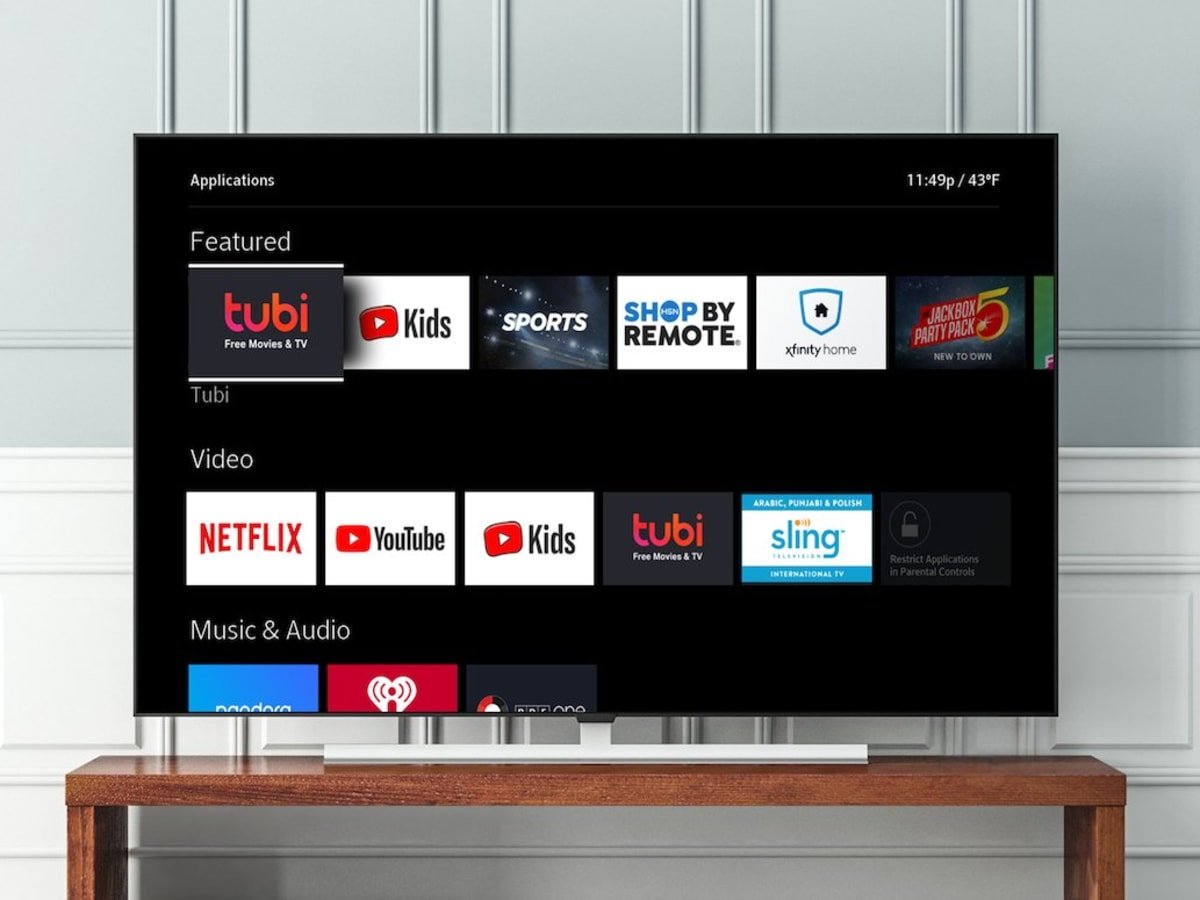
- Tubi: Owned by Fox, offers a massive library of films and TV shows from major studios, with a growing number of originals. Excellent for discovering cult classics and niche genres.
- Pluto TV: Owned by Paramount, acts like a digital cable TV service with hundreds of live channels covering specific genres, alongside a good on-demand library.
- Amazon Freevee: Integrated into Prime Video (and available standalone), features a solid collection of movies and TV, including quality original series like Bosch: Legacy.
- The Roku Channel: Available on Roku devices and web, boasts a large library of on-demand titles and hundreds of live channels, including Roku Originals.
- Sling Freestream: Offers over 600 free channels and 44,000+ on-demand titles, even providing free cloud DVR for some content.
- Google TV Freeplay / Xumo Play / TCLtv+: Expanding options, often pre-installed on smart TVs, offering hundreds of live channels and VOD.
- Hoopla & Kanopy: If you have a library card, these services offer free access to films, documentaries, and even e-books, providing a more curated and often ad-free experience.
The Premium World: What You Pay For
Paid streaming services dominate the cultural conversation, constantly releasing new blockbusters, critically acclaimed series, and exclusive content that drives viewers to subscribe. These platforms operate on a subscription model, offering a more polished, often ad-free experience (at their higher tiers) for a monthly or annual fee.
The Upsides of Paid Streaming
- Exclusive & Premium Content: This is the biggest draw. From Netflix's global hits like Squid Game to Max's House of the Dragon, and Apple TV+'s award-winning Ted Lasso, paid services are the gatekeepers to most must-watch content.
- Ad-Free Experience (mostly): The higher tiers of paid services offer uninterrupted viewing, allowing for complete immersion in your entertainment. Even the ad-supported tiers tend to have fewer and shorter commercial breaks than free services.
- Superior Video & Audio Quality: Expect crystal-clear HD, stunning 4K UHD, vibrant HDR (like Dolby Vision), and immersive audio (Dolby Atmos) on many titles, especially on premium plans.
- Convenience & Features: Download content for offline viewing, create multiple user profiles, enjoy seamless cross-device syncing, and benefit from highly personalized recommendation algorithms.
- Timely New Releases: Paid services are often where you'll find new films shortly after their theatrical run, or even simultaneous releases (though less common now).
- Security and Reliability: Reputable paid services offer robust security for your data and a highly reliable streaming experience with minimal buffering or technical glitches.
The Downsides and Challenges
- Cost: This is the primary hurdle. With prices ranging from $7 to $25+ per month per service, costs can quickly add up if you subscribe to multiple platforms.
- Subscription Fatigue: The sheer number of services can make it overwhelming to decide what to subscribe to, leading to a feeling of being nickel-and-dimed.
- Content Silos: The show you want to watch might be on Netflix, while your favorite movie is on Max, and that new documentary everyone's talking about is on Apple TV+. This forces you to subscribe to multiple services or constantly juggle them.
- Ad-Supported Tiers are a New "Compromise": To attract more subscribers, many paid services now offer cheaper, ad-supported tiers. While still offering premium content, this reintroduces the very ad breaks many sought to escape.
- Password Sharing Crackdowns: Services like Netflix, Disney+, and Hulu are actively limiting or charging for password sharing, making it harder to split costs among friends and family.
Top Paid Streaming Services (Examples):
- Netflix: The pioneer. Offers a massive, constantly refreshing library of original films and series, plus licensed content. Tiers from ad-supported to 4K UHD.
- Max (formerly HBO Max): Home to HBO's acclaimed catalog, Warner Bros. films, DC content, Cartoon Network, and a growing slate of Max Originals. Offers premium 4K streaming and Dolby Atmos on its higher tiers.
- Disney+: The go-to for Disney, Pixar, Marvel, Star Wars, and National Geographic content. Great for families and fans of these franchises. Offers bundles with Hulu and ESPN+.
- Amazon Prime Video: Included with an Amazon Prime membership or available standalone. Features a large library of films and TV, acclaimed originals (e.g., The Marvelous Mrs. Maisel, Reacher), and live sports like NFL "Thursday Night Football." An ad-free tier is an extra charge.
- Apple TV+: Known for its highly curated library of critically acclaimed, premium original series and films (Ted Lasso, Severance, Oscar-winner CODA). Also a hub for MLS and MLB games.
- Hulu: Offers next-day access to many network TV shows (especially Fox), a strong library of FX originals (The Bear), and its own successful originals. Also bundled with Disney+ and offers a Live TV option.
- Paramount+: Combines content from CBS, Paramount Pictures, MTV, Comedy Central, and Showtime (on its Premium tier). A solid choice for reality TV, live sports (NFL), and original series like Yellowstone spin-offs.
- Peacock: The streaming home for NBCUniversal content, including current NBC shows, Universal films (after their theatrical window), and a growing list of originals. Strong for live sports, especially Premier League soccer and WWE.
- The Criterion Channel: A haven for cinephiles, offering a carefully curated collection of classic and contemporary films from around the world, with special features and thematic programming.
The Hybrid Model: Ad-Supported Tiers on Paid Services
The streaming landscape is evolving, and the line between "free" and "paid" is blurring. Many of the largest paid services now offer ad-supported tiers at a lower price point. This allows them to attract budget-conscious viewers who still want premium content without paying top dollar.
- Examples: Netflix Basic with Ads, Disney+ Basic with Ads, Max Basic with Ads, Hulu (with ads), Paramount+ Essential, Peacock Premium.
- What to Expect: You get access to almost the full content library, but you'll encounter commercials. The number and length of ads are typically less than entirely free services. Quality might also be capped (e.g., HD instead of 4K).
- Consideration: This hybrid model is an excellent middle ground if you want specific premium shows but are willing to tolerate ads to save money. Just remember, to truly go ad-free on these services, you'll need to spring for their higher-priced premium plans.
How to Make Your Choice: A Decision Framework
Deciding between free and paid streaming isn't a one-size-fits-all answer. It depends entirely on your personal priorities, budget, and viewing habits. Here's a framework to help you choose:
1. Assess Your Budget
- Zero-Dollar Entertainment: If your budget is strictly zero for entertainment, free streaming services are your only option. Embrace the ads and the catalog content.
- Budget-Conscious but Specific Needs: Consider the ad-supported tiers of paid services. You get the desired shows for less, accepting some interruptions.
- Willing to Invest for Premium: If you prioritize an ad-free experience, 4K quality, and the latest originals, then a full-price paid subscription (or a couple of them) is the way to go.
2. Evaluate Your Content Needs
- "I just want something to watch": Free services excel here. They offer endless background noise and opportunities to discover unexpected films.
- "I want to watch this specific show/movie": Check which paid service has it. If it's an exclusive original, you might need to subscribe to that particular platform.
- "I want to keep up with new releases and popular culture": Paid services, especially those with new theatrical windows or major original series, are essential.
- "I love niche genres or classic films": Free services often have surprisingly deep catalogs in these areas, as do niche paid services like The Criterion Channel or Acorn TV.
3. Prioritize Quality and User Experience
- Video & Audio: If you have a 4K TV and a sound system, you'll want paid services that offer 4K UHD, HDR, and immersive audio (like Max's Premium tier or Netflix's Premium plan). Free services generally won't deliver this.
- Ad Tolerance: How much do you hate ads? If even a few breaks annoy you, then an ad-free paid subscription is worth the extra cost. If you're used to traditional TV, free or ad-supported tiers might not bother you.
- Ease of Use: Paid services tend to have more polished interfaces, better search functionality, and more sophisticated recommendation engines.
4. Consider Bundles and Rotation Strategies
- Bundles: Look for bundled deals (e.g., Disney+/Hulu/ESPN+, Comcast StreamSaver with Netflix/Apple TV+/Peacock). These can offer significant savings compared to subscribing to each service individually.
- Rotation Strategy: You don't need to subscribe to everything at once. Many savvy streamers subscribe to one or two paid services for a few months, binge their desired content, then cancel and switch to another service. This allows you to experience a wide range of content without a perpetually growing bill.
Common Questions and Misconceptions
Is free streaming legal?
Yes, reputable free streaming services like Tubi, Pluto TV, Freevee, and The Roku Channel are absolutely legal. They license their content just like paid services but generate revenue through advertisements. The key is to stick to well-known, legitimate platforms and avoid suspicious websites.
Can I get new movies for free?
Generally, no. New theatrical releases or premium VOD titles are almost exclusively on paid services (either through subscription or as rental/purchase options). Free services typically carry older catalog titles, though some are starting to invest in original content that feels "new."
Do paid services still have ads?
Many now do! To offer a lower price point, services like Netflix, Disney+, Max, Hulu, and Paramount+ have introduced ad-supported tiers. These usually have fewer and shorter ad breaks than completely free services, and you can still opt for an ad-free experience by paying for their premium plans.
How many paid services do people usually subscribe to?
It varies greatly, but many households juggle 2-4 paid services to cover their diverse content needs. The rise of content silos means you often need multiple subscriptions to access all the shows and movies you want to watch.
Is it possible to watch live TV with streaming services?
Yes, both free and paid options exist. Free services like Pluto TV or Sling Freestream offer hundreds of live, themed channels. Paid services like YouTube TV, Hulu + Live TV, Fubo, and DirecTV Stream offer comprehensive cable TV alternatives, including local broadcast channels, news, and sports, for a much higher monthly fee. Many individual sports leagues also offer their own paid streaming options, such as MLS Season Pass on Apple TV+ or MLB.TV.
The Verdict: Your Entertainment, Your Rules
The debate between free and paid movie streaming services isn't about one being inherently "better" than the other; it's about finding the right fit for you.
- If you're content with an older, broader library, don't mind ad interruptions, and prioritize keeping your entertainment budget at zero, free streaming is a fantastic resource. You can still enjoy countless hours of films and TV shows.
- If you crave the latest releases, exclusive original series, pristine video and audio quality, and an uninterrupted, seamless viewing experience, then a paid subscription (or a carefully chosen bundle) is a worthwhile investment. The hybrid ad-supported tiers also offer a valuable compromise.
Ultimately, the power is in your hands. You can mix and match, rotate subscriptions, or stick to one beloved service. The streaming landscape is richer and more varied than ever before, ensuring that no matter your preference or budget, there's a world of movies waiting to be watched. So grab your remote, settle in, and enjoy the show!