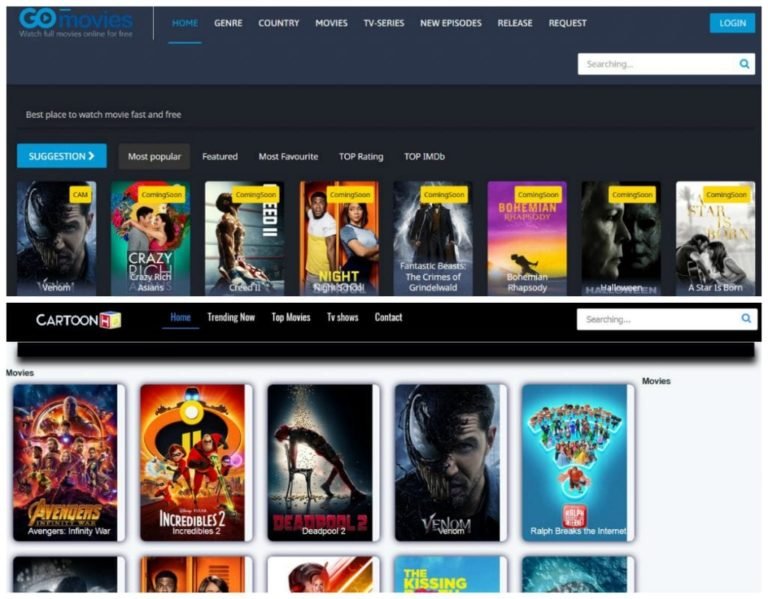
The siren song of "free movies" online is undeniably alluring. Who wouldn't want instant access to a vast library of entertainment without opening their wallet? Yet, navigating this digital landscape can feel like walking through a minefield. While legitimate, safe options exist, a significant portion of the free streaming world operates in a legal gray area, riddled with malware, intrusive ads, and privacy risks.
This guide cuts through the noise, offering you a clear path to enjoying free online movies without the hidden costs. We'll explore the best legal alternatives, highlight the risks of shady sites, and equip you with the essential tools to protect yourself. Because when it comes to free streaming, your peace of mind and digital security are worth more than any price tag.
At a Glance: Your Free Movie Survival Guide
- "Free" isn't always free: Many sites hide malware, track your data, or bombard you with harmful ads.
- Legality matters: Stick to platforms that legally license their content to avoid copyright infringement issues.
- Your digital armor: Always use a VPN, ad-blocker, and antivirus software for any free streaming.
- Quality & experience: Legal free sites offer a safer, though sometimes more limited, experience compared to premium services.
- Top picks for peace of mind: Tubi, Freevee, Pluto TV, and The Roku Channel lead the pack for safe, legal streaming.
The Hidden Costs of "Free": What You're Really Paying For
The promise of unlimited entertainment at no charge sounds like a dream. But behind many "free" streaming sites lie significant risks that can turn your movie night into a nightmare. These platforms often exist in a legal and ethical twilight zone, exposing you to:
- Malware and Viruses: Many free streaming sites are notorious for hosting malicious code. A simple click on a pop-up ad can download ransomware, spyware, or other harmful software onto your device, compromising your data and system integrity.
- Copyright Infringement Notices: If a site streams copyrighted content without proper licensing, it's illegal. Watching on such a site could, in some jurisdictions, make you an accessory to piracy. ISPs often track user activity, and you might receive an unpleasant copyright infringement notice, or even face legal action.
- Privacy Invasion: These sites often rely on aggressive tracking. They collect data on your viewing habits, IP address, and location, selling it to advertisers or other third parties. Without protection, your identity and browsing history are laid bare.
- Overwhelming & Dangerous Ads: Forget the clean experience of paid services. Free sites are typically supported by a deluge of pop-ups, redirects, and banner ads that can be incredibly disruptive and often link to phishing schemes or malware downloads.
- Geo-Blocking Frustrations: Many legitimate free services are geographically restricted. You might find a great show, only to discover it’s unavailable in your country.
- Subpar Quality & Limited Content: You're often stuck with low-resolution video (480p or 720p) and a frequently outdated or niche content library, a far cry from the HD, 4K, and exclusive originals found on premium platforms.
It's nearly impossible for the average user to discern the legality or safety of every single free streaming site. This uncertainty is precisely why a protective approach is non-negotiable.
Your Shield Against the Dark Side: Essential Safety Gear
If you're going to venture into the world of free online movies, even the legal ones, protecting yourself is paramount. Think of this as your essential streaming toolkit:
- A Robust VPN (Virtual Private Network): Your Digital Cloak
A VPN is your best defense. It encrypts your internet connection and masks your IP address, making it appear as though you're browsing from a different location. This offers several critical benefits:
- Anonymity: Protects your identity and location from prying eyes, including your ISP and malicious website operators.
- Data Encryption: Safeguards your online data from being intercepted, especially crucial on public Wi-Fi.
- Bypassing Geo-Restrictions: Allows you to access content that might be geo-blocked in your region by connecting to servers in other countries.
- Preventing ISP Throttling: Some ISPs might slow down your connection if they detect heavy streaming. A VPN can prevent this by obscuring your activity.
When it comes to streaming, speed and a strict no-logs policy are key. Services like NordVPN are highly recommended for their high speeds and commitment to user privacy, making them top contenders for free movie aficionados. Other reliable options include ExpressVPN and Surfshark, all known for their strong security features.
- Antivirus Software: Your Malware Guardian
Even with a VPN, a good antivirus program acts as a crucial last line of defense. It scans for, detects, and removes malicious software that might slip through, protecting your device from various threats. Keep it updated! - Ad-Blocker: Your Pop-Up Protector
A reliable ad-blocker significantly enhances your streaming experience by preventing most intrusive pop-ups, banners, and video ads. This not only makes sites more bearable but also reduces the risk of accidentally clicking on a malicious advertisement.
A Word of Caution on Content Selection: Even with all these tools, it's wise to avoid streaming brand-new blockbuster films or popular current TV series on free sites. These titles are almost certainly copyrighted and being streamed illegally, increasing your risk. Older content, documentaries, or geoblocked content not explicitly illegal in your country often present lower risks.
Understanding the Line: Legal vs. Illegal Streaming
The distinction between legal and illegal free streaming is simple, yet often misunderstood:
- Legal Streaming: A site is legal if it has obtained proper licenses and permissions from the copyright holders to distribute the content. These platforms typically support themselves through advertisements or require you to link to a pre-existing subscription (like a library card).
- Illegal Streaming: This occurs when a site provides copyrighted content without the express permission of the rights holder. Such sites are engaged in piracy, and while viewers are less likely to face direct legal action than the site operators, it remains an ethical and potentially legal gray area for the end-user, especially if done without proper protection.
Accessing media on a platform that legally offers free content is not illegal. The trouble arises when sites profit from content they don't own.
Why Pay (Sometimes) Pays Off: Premium vs. Free Services
The choice between paid and free streaming often boils down to a trade-off between cost and convenience, quality, and safety.
- Premium Streaming Services (e.g., Netflix, Hulu, Disney+):
- Cost: Requires a monthly subscription.
- Content: Extensive libraries, often including exclusive originals, blockbuster films, and current TV series.
- Quality: High-definition (HD), 4K, and HDR streaming are standard.
- Experience: Ad-free (or ad-lite with cheaper tiers), user-friendly interfaces, robust apps.
- Legality: Fully legal, with content licensed directly from studios.
- Free Streaming Services:
- Cost: No subscription fee.
- Content: Often a more limited, older, or niche selection; new releases are rare on legal sites.
- Quality: Typically 720p HD, sometimes lower.
- Experience: Ad-supported (can be intrusive on illegal sites), varying interface quality, some may lack robust apps.
- Legality: Can be legal (ad-supported, licensed content) or highly illegal (piracy sites).
For those prioritizing a seamless, high-quality, and completely secure experience, premium services are the undisputed champions. However, if you're willing to make some compromises and prioritize safety, several excellent free alternatives exist.
The Best Bets: Top Legal & Legit Free Streaming Services
These platforms offer content with proper licensing, are ad-supported (but generally not aggressively so), and represent the safest way to enjoy free online movies. Always remember your VPN if geo-blocked!
Tubi: Best Overall for VOD Library
Owned by Fox Corporation, Tubi is a fantastic, legal video-on-demand service launched in 2014. It boasts thousands of TV series and films from major studios, entirely free and supported by manageable ad breaks.
- Pros: Huge, diverse library; available on many devices; generally unobtrusive ads.
- Cons: Content limited to 720p HD; geo-blocked outside the US (easily bypassed with a VPN).
Freevee (formerly IMDb TV): Best for Hit Movies & Originals
An Amazon-owned service, Freevee offers a great selection of hit movies, TV shows, and even exclusive Freevee originals. It's legal, free, and ad-supported, requiring only a free Amazon account.
- Pros: Quality content, including originals; part of the Amazon ecosystem.
- Cons: Geo-blocked outside the US and Germany; requires an Amazon account.
Pluto TV: Best for Live Channels
Owned by ViacomCBS, Pluto TV provides a unique offering: hundreds of live, linear TV channels (around 200 in the US, 65 in the UK) alongside on-demand movies and shows. Ads are present but neatly integrated.
- Pros: Vast array of live channels; no registration needed; available in multiple regions.
- Cons: More focused on channels than a deep VOD library; geo-blocked in some areas.
The Roku Channel: Biggest Library of Free Content
Don't need a Roku device to enjoy this! The Roku Channel offers a huge collection of movies and shows, including Roku Originals, all free and without requiring registration. It's ad-supported with relatively non-intrusive ads and includes live TV features.
- Pros: Massive library; HD quality; live TV option; no registration required.
- Cons: Geo-blocked in certain regions; some content may require separate subscriptions.
Kanopy: The Academic Gem
Launched in 2008, Kanopy is a treasure trove for film buffs and academics. It requires a library card or university email for access and is completely ad-free and legal.
- Pros: High-quality, curated content; ad-free; supports unlimited simultaneous devices.
- Cons: Requires library/university affiliation; content focuses on educational/independent films.
FilmRise: Reliable & Well-Organized
FilmRise offers over 20,000 legally licensed movies and TV show titles without needing registration. It features an attractive interface, weekly playlists, and a "Recently Played" feature.
- Pros: Large library of recognizable titles; user-friendly interface; no registration.
- Cons: Library varies by country, may require a US VPN for full access.
XUMO TV: Live Channels & VOD
Offering access to over 190 channels without registration, XUMO TV provides both live TV and VOD content. It's legal but has a somewhat more limited VOD selection.
- Pros: Good for live TV; no registration; smooth playback.
- Cons: Limited VOD content; geo-blocked outside select countries (e.g., US, Canada, UK).
Bounce TV: Focus on African-American Content
A legal, ad-supported platform delivering HD content with a specific focus on the African-American community.
- Pros: Niche content focus; HD quality.
- Cons: Limited in scope if you're not looking for this specific content.
Filmzie: Curated Indie & Genre Films
Filmzie is a transparently owned platform offering full HD films, primarily independent horror, action, and niche titles. It’s legal in the UK, US, France, and Germany, funding projects through short, infrequent ads.
- Pros: Full HD quality; supports indie filmmakers; unique library.
- Cons: Limited library, mainly lower-budget genre films.
Crunchyroll: The Anime Hub
The go-to platform for anime lovers, Crunchyroll offers a vast library of anime, news, and games. You don't need to register to watch some shows, though a premium option removes ads.
- Pros: Huge anime selection; accessible without registration.
- Cons: Ad frequency can be disruptive on the free tier; geo-blocked outside the US for some content.
Plex: More Than Just a Media Server
Plex has evolved from a media organization tool to a popular free streaming service, offering a diverse range of movies, shows, and live TV channels. It's free, no registration needed, and ads are generally unobtrusive.
- Pros: Diverse content; great media organization tools; free.
- Cons: VPN is recommended for broader access.
Fandango At Home (formerly Vudu): "Movies On Us"
Known for its paid VOD service, Fandango At Home also offers a solid "Movies on Us" section completely free, with minimal aggressive advertising. No account or subscription is needed for the free content.
- Pros: Good selection of free films; minimal ads; available on many devices.
- Cons: Geo-blocked outside the US.
MyBundle TV: Your Streaming Guide
MyBundle TV isn't a streaming host but a directory that guides you to various content sources, including some free ones. It helps you discover niche streaming services and supports 4K streaming.
- Pros: Excellent for discovering new streaming options; 4K support.
- Cons: Doesn't host content directly; not all sources it lists are free.
CONtv (formerly Viewster): Niche for Comic-Con Fans
A lesser-known free platform focusing on Comic-Con related content. No account needed, but it's exclusively for US users.
- Pros: Unique niche content.
- Cons: Very specific content; US-only.
Yidio (Your Internet Video): The Aggregator
Yidio acts as a free video streaming aggregator, letting you browse content from various streaming accounts (both free and paid) from a single platform. It also hosts some free content directly.
- Pros: Excellent search tool with many filters; consolidates streaming options.
- Cons: Primarily an aggregator, not a primary content host.
Sling Freestream: Best New Kid on the Block
Launched in early 2023, Sling Freestream offers a wide range of on-demand content and live channels without requiring an account. Creating a free account enhances the experience with profiles and recommendations.
- Pros: No account needed; good variety of on-demand content; new and growing.
- Cons: Experience is better with an optional account.
Navigating the Minefield: Risky & Potentially Illegal Free Streaming Sites to Approach with Caution (or Avoid Altogether)
Beyond the legitimate, licensed platforms, lies a vast ocean of "free" streaming sites that often house pirated content and pose serious threats to your digital security. While we won't detail all the dozens of risky sites, it's crucial to understand the characteristics and dangers of these platforms.
When you're out exploring for movies online, you might stumble upon sites promising everything for free. For instance, some users might look to platforms like Find your next movie on PelisplusHD, but remember that such sites often operate without proper licensing.
Here's a general overview of what makes these sites risky and why you should proceed with extreme caution, always with your VPN, antivirus, and ad-blocker engaged, or better yet, avoid them entirely:
- Known Piracy Sites (e.g., AZMovies, SolarMovie, 123Movies, PrimeWire, Putlocker, SFlix, Afdah): These sites are infamous for hosting copyrighted content without permission. They frequently change domains to evade authorities.
- Dangers: High risk of legal notices, ISP tracking, and direct legal repercussions for the site operators. For users, the primary danger is often the associated malware and aggressive advertising.
- Malware Traps (e.g., 123Movies, 123Chill, MoviesFoundOnline): Many "free movie" sites are riddled with malware. Clicking anywhere on the page, even just to close an ad, can trigger drive-by downloads of viruses or spyware.
- Dangers: Device infection, data theft, system damage, ransomware.
- Overwhelming Ad Barrages (e.g., AZMovies, SolarMovie, YesMovies, BMovies, M4UFree): These sites rely heavily on intrusive advertising to generate revenue. You'll encounter constant pop-ups, redirects, and new tabs opening, making the viewing experience miserable and dangerous.
- Dangers: High annoyance factor, increased risk of clicking on malicious ads or getting redirected to unsafe sites.
- Lack of Transparency (e.g., UWatchFree, 1Movies, Stremio): Many such platforms don't disclose ownership or content sources. Some, like Stremio, act as aggregators that pull content from various sources, including torrent sites, raising questions about the legality of the sourced material and the security of associated add-ons.
- Dangers: Unclear legal standing, potential for security vulnerabilities through third-party add-ons, risk of being complicit in piracy.
- Deceptive Quality Claims: While some sites claim "HD" or "Full HD," the quality often falls short, or the content is a "CAM" recording (filmed in a movie theater), offering a terrible viewing experience.
Our advice: Stick to the legal alternatives listed above. The risks associated with these potentially illegal sites far outweigh the perceived benefit of "free" content. Your digital safety is paramount.
Smart Streaming Habits: Getting the Most Out of Free Movies Safely
To ensure your free movie adventures remain enjoyable and secure, adopt these smart habits:
- Prioritize Legal Platforms: Whenever possible, choose services like Tubi, Freevee, or Pluto TV. They operate within the law, offer a curated selection, and are far less likely to expose you to digital threats.
- Verify Legality (If Unsure): A quick search can often reveal if a streaming service has a legitimate business model (e.g., supported by major studios, known advertisers, or public institutions). If it seems too good to be true, it probably is.
- Deploy Your Digital Arsenal: Never stream on any free site without your VPN actively connected, your ad-blocker enabled, and your antivirus software running and up-to-date. This trifecta is your minimal baseline for protection.
- Avoid New Releases: As a general rule, steer clear of recent blockbusters or current TV episodes on free, unofficial sites. These are almost guaranteed to be pirated content.
- Be Skeptical of Downloads: Many risky sites will try to trick you into downloading "special players" or "codecs." These are almost always malware. Never download anything from a site you don't implicitly trust.
- Guard Your Personal Information: Reputable free streaming sites typically don't ask for extensive personal information. If a site demands your email, location, or payment details for a "free" service, close it immediately. This is a common tactic for phishing and identity theft.
- Watch for "Mirror" Sites: Piracy sites often have many "mirror" or clone sites with slightly different URLs. If a site looks suspiciously similar to a known illegal one, treat it with extreme caution.
Your Next Movie Adventure: A Quick Recap
The world of free online movies is vast and varied. While the allure of endless entertainment for no cost is strong, it's crucial to distinguish between safe, legal alternatives and the risky, often illegal, corners of the internet.
Your best bet for a worry-free experience lies with reputable, ad-supported platforms like Tubi, Freevee, Pluto TV, and The Roku Channel. These services offer a solid selection of movies and shows, operate legally, and generally provide a much cleaner viewing environment.
No matter where you choose to stream for free, arm yourself with a reliable VPN (like NordVPN), a strong antivirus program, and an effective ad-blocker. These tools are your first and best defense against malware, privacy breaches, and legal troubles.
So go ahead, explore the cinematic universe. Just do it wisely, safely, and with your digital armor fully engaged. Happy streaming!